
Musk and Deming Align - And the Hidden Execution Culture Lesson Within
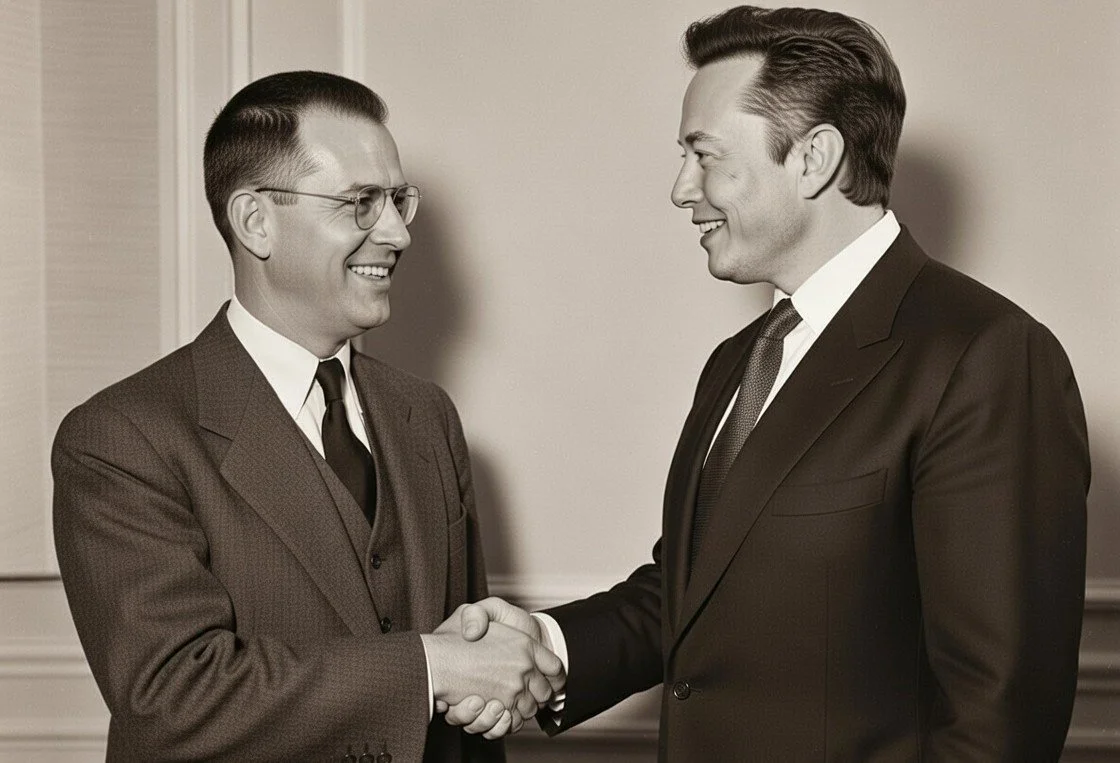
Deming and Musk: Two Execution Culture Titans Agree
Elon Musk and W. Edwards Deming: The Surprising Overlap in Rejecting Silos for True Excellence
Executive Summary
Shared Philosophy: Elon Musk and W. Edwards Deming both reject separate departments for quality, safety, or oversight like DEI. They argue these create conflict, waste, and diluted responsibility.
Deming's View: Quality cannot be inspected in after the fact. It must be built into processes with everyone accountable, breaking down silos for systemic improvement.
Musk's Approach: Safety is everyone’s job, not a powerless department. This is proven at Tesla and SpaceX, and extends to slashing bureaucratic layers in government.
Common Benefits: Integrated ownership fosters agility, reduces internal conflicts, eliminates waste, and drives innovation through end-to-end visibility.
Modern Application: Execution cultures based upon The CDX Method align by managing cross-functional Enterprise Core Processes to uncover blind spots and embed shared responsibility.
Details
In the world of business and innovation, few names spark as much debate as Elon Musk. His no-holds-barred approach to running companies like Tesla, SpaceX, and xAI has redefined what is possible in engineering and entrepreneurship. But what if I told you that Musk's philosophy on organizational design echoes the teachings of W. Edwards Deming, the father of modern quality management? At first glance, the rocket-building billionaire and the post-WWII statistician might seem worlds apart. Dig deeper, however, and you will find a shared disdain for bureaucratic silos and a push for integrated responsibility.
Let me break it down, and I will touch on how modern methods like The CDX Method quietly align with this timeless wisdom.
Deming's War on Inspection Silos
W. Edwards Deming revolutionized manufacturing in the 20th century, particularly through his work in Japan after World War II. One of his core 14 Points for Management states: "Cease dependence on inspection to achieve quality." Deming argued that separate quality control departments or inspectors create a false sense of security. Quality, he said, cannot be inspected in after the fact. It is either built into the process from the start or it is not there at all.
Why? Separate functions lead to blind spots, fragmented accountability, and internal conflicts. When departments operate in isolation, problems hide in the white space between them. This fosters tribalism, waste through rework and delays, and inefficiency. Instead, Deming advocated for quality as everyone's responsibility: a systemic, cultural embedment where cross-functional teams focus on end-to-end processes to eliminate waste and drive continuous improvement.
This was not just theory. It powered Japan's economic miracle, turning companies like Toyota into global powerhouses through Total Quality Management (TQM).
Musk's Echo: Safety Isn't a Department, It's a Culture
Fast-forward to today, and Elon Musk is making a strikingly similar case, but in the high-stakes arenas of autonomous vehicles, rockets, and AI. Recently, Musk pushed back against critics calling for dedicated safety teams at his companies. His response: "Everyone’s job is safety. It’s not some fake department with no power to assuage the concerns of outsiders."
Musk claimed SpaceX and Tesla do not need a “Safety Department” because safety is integrated into every employee's job. At Tesla and SpaceX, there is no standalone safety function. Musk points to results: Tesla as the safest car, SpaceX with the safest rocket. He rejects siloed oversight as bureaucratic bloat that dilutes responsibility and slows innovation. Like Deming, Musk insists on integrating core values such as safety, excellence, and merit across the entire organization. It is about first-principles thinking: question every requirement, delete waste, and make accountability personal and pervasive.
Musk's approach extends beyond safety. He is vocal against separate DEI departments or compliance layers, viewing them as performative distractions from merit-driven execution. In his role with the Department of Government Efficiency (DOGE), he is even slashing federal bureaucracies, echoing Deming's call to break down barriers for systemic flow.
The Common Thread: From Silos to Systemic Flow
So, what is the overlap? Both Deming and Musk reject the idea of tacking on separate supervisory functions, whether for quality, safety, DEI, or other oversight, as a shortcut. They see it as creating powerless interfaces that hide root causes and breed conflict. A separate safety, quality, or DEI organization inherently creates organizational conflict (pitting functions against each other in turf battles or misaligned priorities), generates waste (through duplicated efforts, compliance theater, and slow decision-making), and hurts the execution culture (by shifting responsibility away from the people doing the work, fostering fear, resentment, or performative compliance instead of genuine ownership).
True excellence comes from:
End-to-end visibility: Mapping how work flows across the organization to uncover hidden inefficiencies.
Shared ownership: Making quality, safety, and innovation everyone's job, not a departmental checkbox.
Continuous reengineering: Challenging outdated constraints and redesigning processes for value creation.
This is not about anarchy; it is about agility. Deming used statistics and systems thinking. Musk uses rapid iteration and flat structures. But the goal is the same: a nimble, unified organization that outpaces competitors.
A Modern Alignment: Methods Like The CDX Method in Action
Interestingly, frameworks like The CDX Method capture this essence in practice. By shifting from functional hierarchies to managing Enterprise Core Processes, which are end-to-end value streams that span silos, The CDX Method shines a light on those blind spots Deming and Musk warn about. It assigns leaders with holistic accountability, progresses through stages of problem-solving and reengineering, and balances functional expertise with cross-organizational flow. It is a low-key way to implement their shared vision: tear down walls, embed responsibility, and foster a culture where waste is eliminated and innovation thrives. For a deeper dive, check out my book, Develop Business Execution Superpower with The CDX Method, which explores these principles in detail through real-world applications.
In my experience, companies adopting similar approaches see real gains: faster commercialization, reduced conflicts, and sustainable competitive edges. It is not revolutionary; it is just effective.
What do you think? Have you seen silos or separate oversight functions sabotage success in your organization? Or has integrating processes like this unlocked potential? Share your stories below. I would love to hear how these ideas play out in the real world.
#Leadership #OrganizationalDesign #Innovation #ElonMusk #Deming #TheCDXMethod
Summary
In essence, Elon Musk and W. Edwards Deming converge on a powerful idea: true organizational excellence arises not from isolated departments enforcing quality, safety, or other mandates, but from embedding these responsibilities deeply into the culture and processes of the entire team. By dismantling silos and promoting shared ownership, leaders can minimize waste, resolve conflicts, and accelerate innovation, as exemplified in modern frameworks like The CDX Method. Ultimately this creates agile, high-performing organizations that deliver real value.
Disclaimer: This article is for informational purposes only and reflects general principles. Organizational design and implementation can vary widely by context. Always consult with experts, such as management consultants or legal advisors, before applying these ideas to your business.