
The Battle for Lululemon: Heidi versus Chip
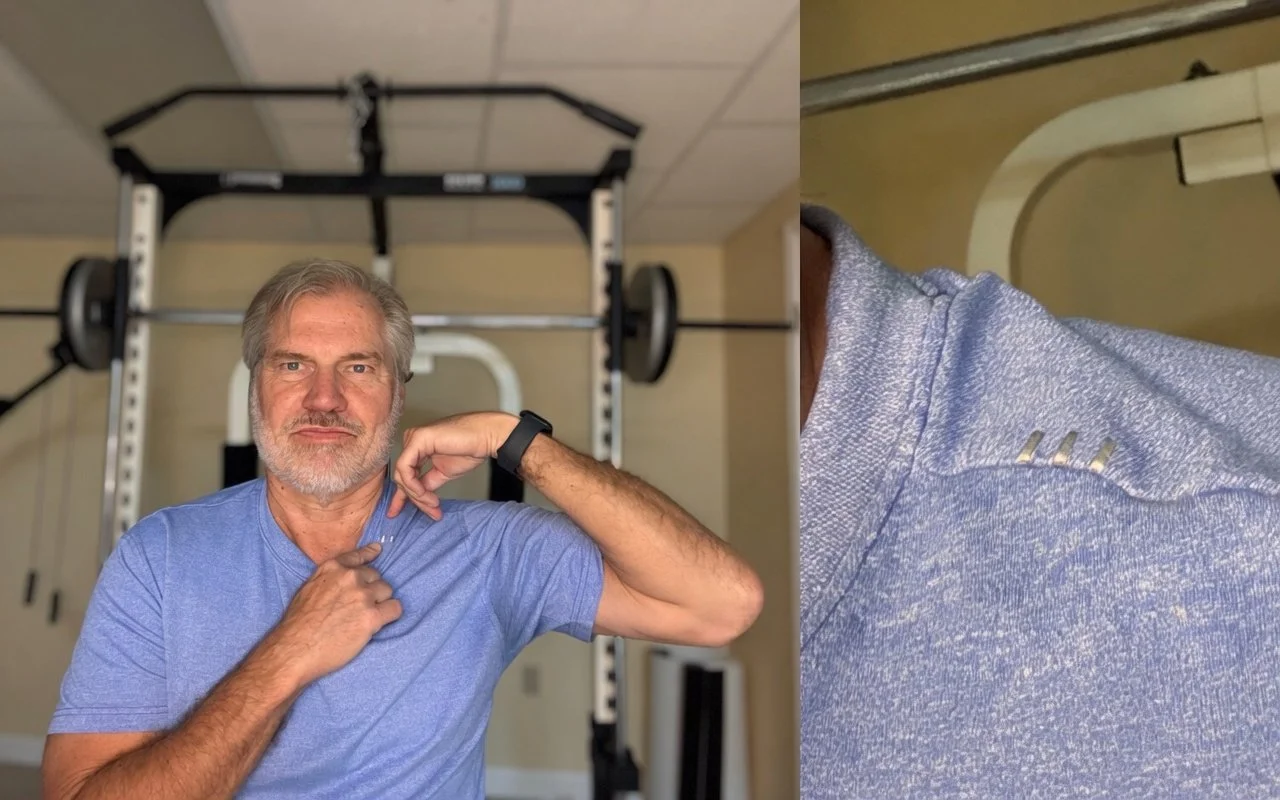
IYKYK, and if you know you are most likely a brand fanatic, like me. (Pic is from today's workout.)
Switched from Nike to Under Armour to Lululemon Because of Product Quality…But Now the Founder Is Fighting the Board Over the New Female CEO
I exercise two hours every single day. Rain or shine, travel or home. As a cancer survivor, that commitment is non-negotiable. Over the years, I’ve learned that the right gear doesn’t just make workouts easier, it amplifies results.
That’s why I started with Nike. Then moved to Under Armour. And ultimately landed with Lululemon.
I did not switch for marketing or price. I switched because I trusted each brand, at the time, to deliver products that actually fit well, felt incredible during movement, and held up to abuse. When that trust eroded, I moved on. (Perhaps another article later on how I feel Nike and Under Armour screwed up.)
Lululemon earned my loyalty because their clothes consistently deliver on three things I care about as a daily athlete:
Flawless fit (no riding up, no chafing)
Exceptional comfort during long sessions
Premium feel that makes me want to wear them
That’s the magic of a truly product first brand. It dissipated my habitual sensitivity to price.
Now Lululemon Faces a Moment of Truth
The company is in transition. New CEO Heidi O’Neill (a 25 year Nike veteran) starts in September. Founder Chip Wilson is in an open proxy battle with the board, questioning whether the new leadership truly understands the brand’s product soul. The stock dropped sharply on the announcement.
As someone who lives in Lululemon gear every day, this is personal.
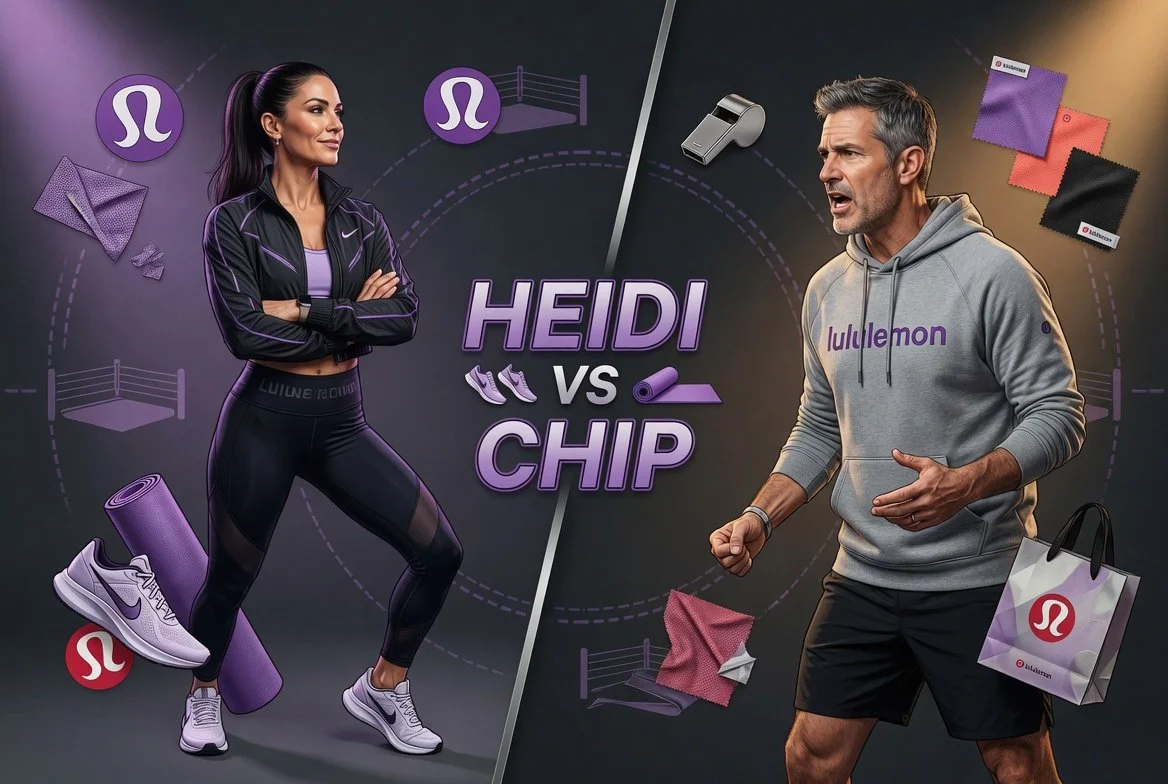
I hope Heidi can do it. I do not want to switch brands again.
Heidi O’Neill’s Position – Pros:
Deep experience scaling product innovation and women’s apparel at Nike.
Proven ability to drive global growth and speed up development timelines.
Fresh perspective and operational discipline from one of the world’s best consumer brands.
Heidi O’Neill’s Position – Cons:
Her role in Nike’s aggressive direct-to-consumer push created retailer friction and contributed to recent struggles at Nike.
No prior public company CEO experience, and the delayed start (September) leaves the company in interim leadership during a vulnerable time.
Some investors worry she may bring a more corporate, less “muse-driven” approach.
Chip Wilson’s Position – Pros:
As founder, he has an unmatched instinct for what made Lululemon special: premium quality, innovative product, and a very specific active “muse.”
He’s right to sound the alarm on slowing U.S. sales, loss of “cool,” and the need for faster innovation.
His pressure forces the board and new leadership to stay relentlessly focused on product excellence.
Chip Wilson’s Position – Cons:
His public criticism and proxy fight create ongoing distraction and uncertainty.
He stepped away from day-to-day leadership over a decade ago, the company has tripled in size since then. Fantastic results without him at the helm.
Some of his past comments have distanced parts of the customer base and team.
Both sides want the same ultimate outcome: a stronger, more innovative Lululemon. The real question is which path gets there faster.
How The CDX Method Can Help Lululemon Win
Long development cycles (often 18–24 months), functional silos, and slow decision-making are killing the “newness” and innovation that made Lululemon iconic. In today’s fast-moving market, that’s a dangerous problem.
From everything I’ve studied and applied in business, The CDX Method offers a clear, practical operating system to solve exactly this challenge:
Treat Product Development as an Enterprise Core Process — one unified, end-to-end system with single-point accountability instead of fragmented handoffs between design, merchandising, sourcing, quality, and retail. This tears down silos and eliminates the dangerous “white space” where great ideas disappear.
Use the Ideation Dynamic CP to generate rich Idea Mosaics, challenge barriers early, and select the best concepts with data — not intuition or politics.
Apply the Creation Dynamic CP (Adaptive Approach) with short sprints, sub-deliverables, and rapid testing so new products can move from concept to store much faster.
Ruthlessly attack idle time by aligning the three types of cycle time (Actual, Lead, and Ideal) so the brand can deliver fresh, innovative, perfectly fitting product when athletes actually need it.
If Heidi O’Neill and her leadership team fully embrace these principles, and stay true to the founder’s product-first passion, Lululemon will leap ahead. They can rebuild the iconic culture, deliver visible wins quickly, and strengthen the deep customer trust that turned me (and millions of others) into loyal daily users.
I’m genuinely rooting for them. Because when Lululemon gets product creation right, my two-hour training sessions, and those of countless others, get noticeably better.
What do you think?
Fellow athletes, apparel pros, operators, and investors, have you felt the impact of slower product innovation in your favorite brands?
#Lululemon #Leadership #ProductStrategy #Athleisure #Execution #ProxyFight #TheCDXMethod
Disclaimer: These are my personal views based on my experience helping organizations improve execution. Always consult qualified advisors for your specific situation. The CDX Method is a proprietary framework; Warranties of merchantability or other representations of fitness for a particular purpose are disclaimed. This is not investment, legal, or professional advice. Always conduct your own due diligence.